Tedgar: A Handwritten Script Font That Brings Personality to Every Maker’s Project
Designing with Tedgar: From Candle Labels to Wedding Invitations
Yesterday, I was putting the finishing touches on a set of candle labels for a new seasonal line. I had the design layout ready, but something was missing. The text felt too generic—like it didn’t quite match the warmth and care that went into each hand-poured jar. Then I opened up Tedgar, and everything changed. The moment I typed out “Lavender Fields” in that soft, flowing script, the label came alive. Tedgar’s distinctive handwritten characters gave the design a personal, artisanal feel that matched the product perfectly.
What Makes Tedgar Stand Out
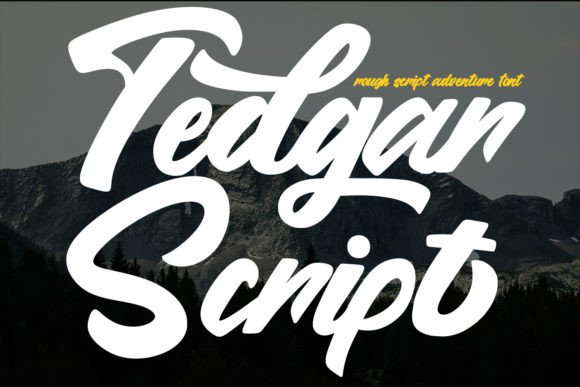
Tedgar is a script font with a unique personality. It’s not just a basic cursive typeface—it carries the charm of real handwriting, with slight imperfections and elegant swashes that add visual interest. It feels modern yet timeless, elegant yet approachable. Whether you're designing a logo, a greeting card, or a product label, Tedgar brings a touch of authenticity and craftsmanship that’s hard to replicate with more rigid fonts.
I’ve used Tedgar on boutique tags, planner pages, and even digital download previews. Each time, it adds a layer of warmth that resonates with customers. It’s the kind of font that feels like a signature—like you’ve personally touched every design you create with it.
Bringing Tedgar Into Real Projects
Let’s talk about how Tedgar performs across different creative formats. I recently designed a set of wedding invitations for a client who wanted a rustic, romantic feel. Tedgar was perfect for the bride and groom’s names and the event title. I paired it with a clean sans serif for the body text, and the contrast between the two created a balanced, elegant look that felt both modern and heartfelt.
For seasonal products like holiday tags or Valentine’s Day cards, Tedgar adds a decorative flair without feeling too over the top. I used it for a “Sweet & Simple” tag on a line of handmade soaps, and the soft curves of the font matched the gentle branding I was aiming for. On digital downloads like printable wall art or planner stickers, Tedgar gives a boutique-style finish that customers love.
Where Tedgar Shines
Tedgar works best for short phrases, titles, names, and decorative text. It’s a display font at heart, so it’s ideal for use in logos, branding headers, and packaging accents. I wouldn’t recommend it for long paragraphs or small print, but for labels, greeting cards, and social media graphics, it’s a standout choice.
- Candle and soap labels
- Wedding stationery and welcome signs
- Greeting cards and boutique tags
- Printable wall art and planner pages
- Digital templates and social media posts
One of my favorite uses for Tedgar was in a farmhouse-style sign I made for a client’s kitchen boutique. I used it for the word “Welcome” above the door, and it gave the sign a soft, inviting feel that matched the space perfectly.
Using Tedgar for Brand Consistency and Emotional Appeal
As a maker, I know how important it is to have a cohesive brand identity. Tedgar has become a go-to typeface for my shop’s packaging and digital previews. Whether I’m creating a label for a candle or a preview image for a digital planner, using the same font across different materials helps customers recognize my brand instantly.
Fonts like Tedgar also play a big role in emotional appeal. Script fonts, especially those with a handwritten look, feel personal and sincere. They invite connection. When customers see Tedgar on a product, it doesn’t feel mass-produced—it feels like it was made with care. That’s a powerful thing in the handmade and creative marketplace.
Readability and Design Tips
When using Tedgar for physical products like stickers or small labels, I always check the readability on both screen and print. For cutting machines like Cricut or Silhouette, I recommend adjusting the spacing between letters if needed, especially when scaling the font down. Tedgar holds up well on printed cards and mockup previews, but for very small text, a simpler font might be better.
For digital downloads or printables, I always test how Tedgar appears in different file formats. It looks great in PNG and PDF files, and the clean lines make it easy to pair with other design elements without feeling cluttered.
Pairing Tedgar with Other Fonts
One of the joys of using Tedgar is pairing it with complementary fonts to create visual hierarchy and balance. For example, I often pair Tedgar with a minimalist sans serif like Montserrat or Lato for body text. This contrast helps Tedgar stand out while keeping the overall design clean and readable.
For more rustic or vintage designs, I’ve paired Tedgar with a simple serif font like Playfair Display for subheadings. If I want to go all-in on the handwritten feel, I’ll use another script font in a smaller size for accents or secondary text.
What to Know Before You Use Tedgar Commercially
If you’re planning to use Tedgar in your handmade shop, digital templates, or merchandise, always check the licensing terms. Most premium script fonts like Tedgar come with commercial use rights, but it’s good practice to confirm whether they can be used in both physical and digital products.
Tedgar typically includes multiple styles, such as ligatures, alternates, and swashes, which give you more flexibility in your designs. It also usually supports multiple languages and file formats like OTF and TTF, making it compatible with most design software and cutting machines.